
HOLTERBERGDISTRICT
Holterbergdistrict is an urban masterplan in Amsterdam-Zuidoost that sets out a spatial framework for the transformation of a 29-hectare light-industrial area into a mixed-use district for living, working, and public life.
The plan accommodates 5,500 to 8,000 homes alongside workplaces, public facilities, and a central park. Rather than displacing existing light-industrial activities, the masterplan reorganises and intensifies them. Production and logistics are stacked and spatially consolidated, allowing industrial functions to remain on site while increasing capacity and freeing up space for new programmes. This approach enables a more efficient use of land and creates the conditions for future development to take place alongside existing industry.
Location
Amsterdam, the Netherlands
Client
Ventura City
Year
2019 -
Status
Ongoing
Size
357,000 m²
Category
Masterplan
Collaborators
Design Architects: Herzog & de Meuron
Landscape Architects: Bureau Bas Smits
Light Industrial Architecture: Conix RDBM Architects
Engineering & Environmental Consulting: Antea Group
Mobility: Goudappel
Logistics: Urban Industrial
Team


Dirk Peters, Robbert Peters, Maurits Verhoeff, Ellen Rouwendal, Jos Reinders, Micheal Baas, Björn Benschop, Lorenzo Della Monaca, Jackson Gathanga, Anoushka Kolahalu, Hana Leban, Vana Mladinic, Dennis Pas, Timothy Simons, Sven van der Hulst
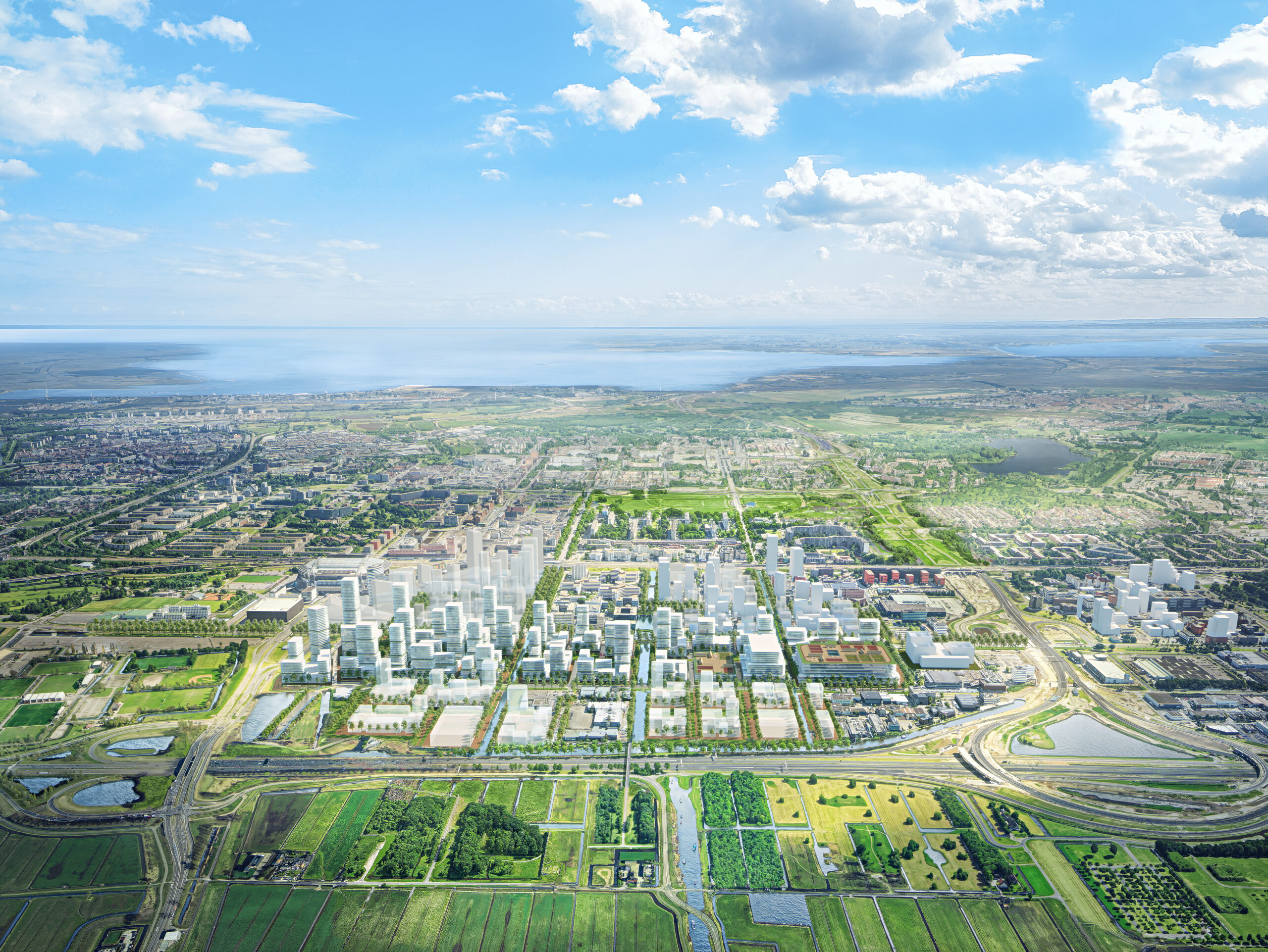
By reconfiguring the industrial fabric instead of pushing it to the periphery, the masterplan allows production, logistics, housing, and public functions to operate side by side within a shared urban structure. The project brings together a broad range of users and collaborators and supports the coexistence of different forms of work, living, and public life.
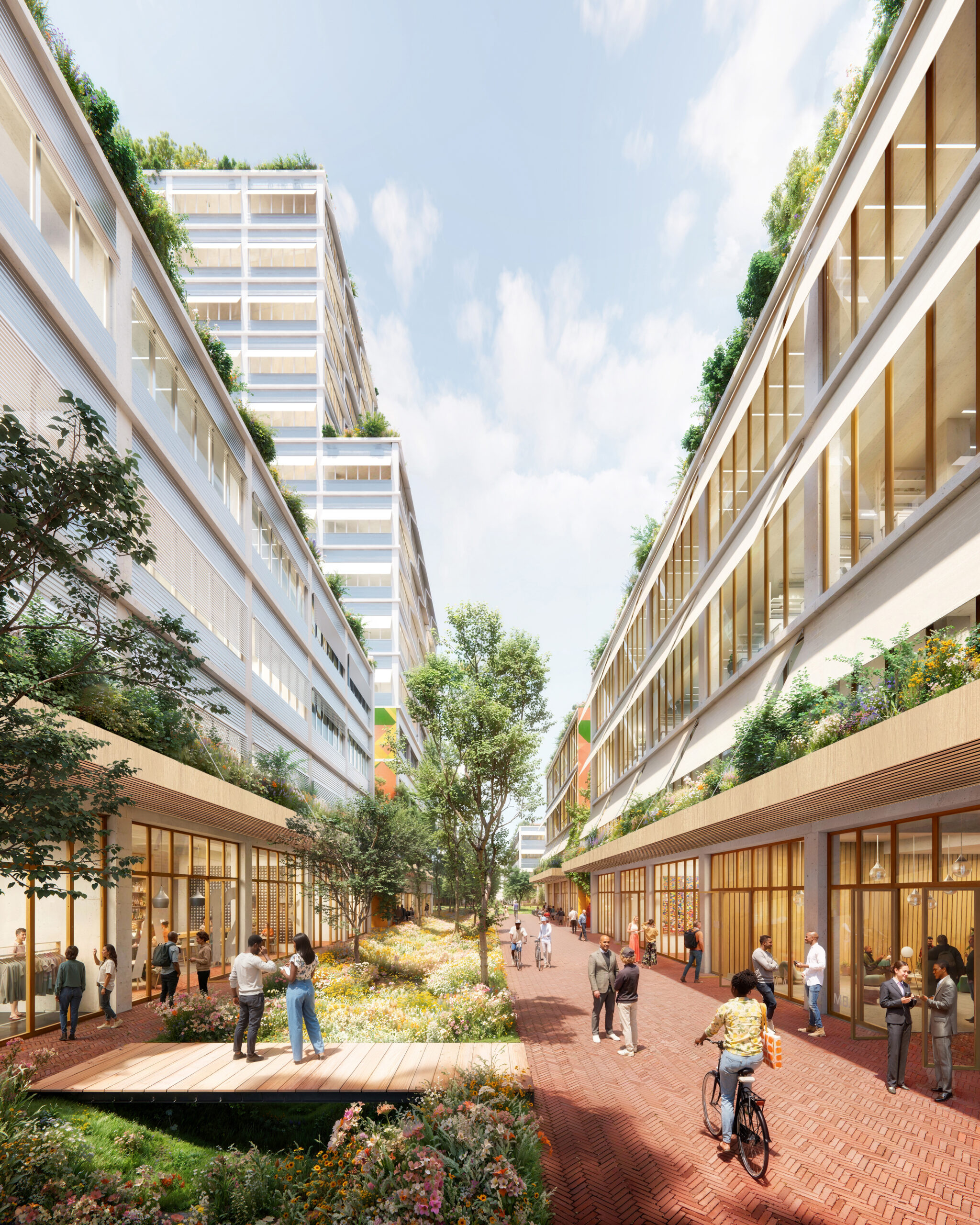


The masterplan divides Holterbergdistrict into three interconnected quarters, each with its own identity and programmatic focus. The quarters build on existing and planned developments in the surrounding area.
The northern quarter connects to ArenAPoort and combines housing, workplaces, and amenities. The central quarter forms a transition towards Amstel III and the Hondsrugpark, offering space for innovative live-work concepts and creative industries.
The southern quarter, surrounded by data centres and businesses, becomes more urban while retaining a more industrial identity, with room for production, logistics, and energy facilities. Each quarter has its own mix of functions and building heights, while all are connected through a central park.
Conceived as a long-term structure rather than a fixed composition, Holterbergdistrict supports gradual densification and adaptation over time, allowing the district to evolve in response to changing needs.


